Healing Developmental Trauma in Families & Systems: A Visual Toolkit for Professionals

Written by Dr Shoshanah Lyons, founder of Beacon House, and illustrated by Helen Townsend.

A compassionate, scientifically grounded visual roadmap for understanding and healing developmental trauma.

Bringing together contemporary neurobiology, attachment, parts-based approaches, living experience and systems thinking, the book explores what becomes possible when the people and systems around a child learn to attune with sensitivity and courage. Contributors to the book, Specialist Occupational Therapists Mel Campbell and Candia Slaughter share their knowledge and experience of the power of the senses, exploring the important role sensory experiences can play in developmental trauma and healing.

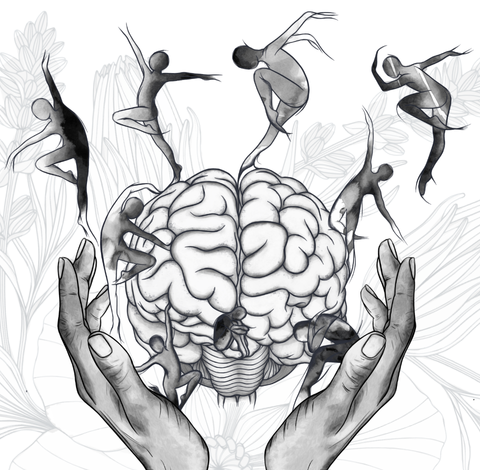
Through compelling visuals, practical frameworks informed by therapeutic practice, and accessible explanations, the book reframes trauma responses as wise survival strategies and builds on the work professionals are already doing to nurture safety, regulation, connection and meaning.

Beyond the pages, readers can continue exploring the digital version of the book with accompanying online resources, animations and practical strategies to download and use.

Sign up for book news, free events and behind-the-scenes updates from the authors.

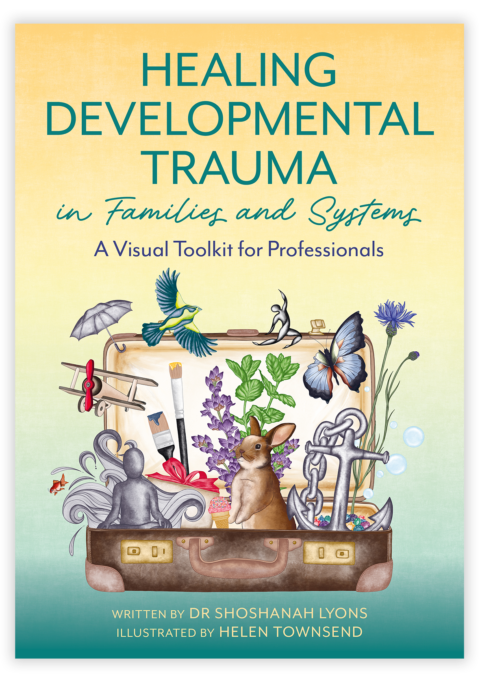
Book cover of Healing Developmental Trauma in Families & Systems

Who is this book for?

This book is for professionals working alongside children, young people and families affected by developmental trauma, including therapists, social workers, psychologists, educators and other professionals across health, education and social care.

Behind the book

Behind the name of Beacon House is an extraordinary team of people who bring curiosity, compassion and creativity to understanding the profound impact of trauma. We work consciously to see the whole of someone and their experiences, rather than focusing only on the difficulties that might have brought them to us. Our work is grounded in developing relationships that feel safe enough for connection to grow; relationships held by strong boundaries, nurture, humour, kindness and courage, with space for rupture, repair and trying again.

These therapeutic values lie at the heart of this book: curiosity about what lies beneath the surface, compassion for the ways people have learnt to survive, and a belief in the power of safe, authentic relationships.

If you would like to explore this way of understanding developmental trauma, our free Developmental Trauma article brings together this thinking in an accessible way. You can access the article below, or explore more of the free resources, training and support available through Beacon House.