How We Work With Organisations
We will meet you wherever you are in your journey. Each partnership is co‑created, because there is no one‑size‑fits‑all.
Here are the pathways of organisational consultation available to you:


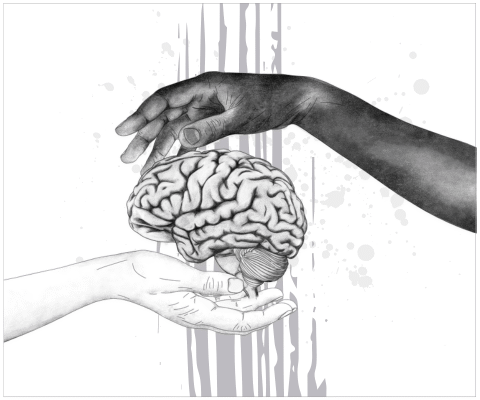
Humans do not heal in isolation. We grow in the systems we belong to: our families, our teams, our workplaces, and our cultures. These systems have the power to heighten or awaken distress, and to create a climate where growth and transformation are possible.
Systems can keep people caught in old patterns of survival, or gently open new pathways for change. When a system becomes more attuned, more regulated, and more connected, every member starts to feel the difference, and new ways of working together become possible. At Beacon House, we believe that system change is not simply “organisational development”, it is an act of collective responsibility to create environments where every one of us can contribute fully, struggle safely, and reach our potential.
Every system is shaped by its people, and every person is shaped by their system.
We will meet you wherever you are in your journey. Each partnership is co‑created, because there is no one‑size‑fits‑all.
Here are the pathways of organisational consultation available to you:
For organisations ready to build a shared foundation, who:
For organisations ready to go deeper, who:
For organisations in the immediate or recent aftermath of a serious incident, who:
For organisations who:
For organisations investing in the long‑term health of their system, who:
For organisations that want their policies to reflect their values, who:


For organisations that understand caring for staff is inseparable from caring for the people they support, who:
Our approach is designed to meet systems where they are, reduce overwhelm, and create the conditions for sustainable, relational change. We hold the work with clarity, steadiness and compassion, so leaders don’t have to carry it alone.
Across the following four phases, you can expect a process that is paced, collaborative, and responsive to the needs of your system.
We begin with a 50‑minute online conversation with our Founder & Director, Dr Shoshanah Lyons,who leads all organisational work at Beacon House.
This conversation offers a calm, contained space to think aloud about what is happening in your system, without pressure or expectation. Together we explore where your organisation currently is, begin to map what a partnership might look like, and leave with a clearer sense of whether Beacon House is the right fit.
Following our discovery call, we provide a written proposal reflecting what we heard: your priority areas, the shape of the work that will have the greatest impact, the timeframe, the pace, and the estimated fees, designed around what your system is ready for.
Our partnership may include a combination of:
Your proposal is crafted from the nuances of your system, not a pre‑set programme, but a thoughtful response to what will genuinely create change.
If you choose to proceed, we begin with a mutually agreed contract so that parameters, fees, review periods and communication methods are clear.
What a system needs at the beginning of a change process evolves over time, and we track this with you. We stay alongside you as a steady, containing presence, helping you navigate the shifts, resist overwhelm, and stay connected to your purpose.
Throughout the process, we help your system stay oriented toward what matters most, so change unfolds with intention rather than urgency.
Every partnership has a considered close.
As the work reaches its natural conclusion, we hold a structured ending conversation to consolidate what has been learned, name what has changed, and ensure the system has what it needs to sustain the work independently.
A good ending is not the end, it is the beginning of longer‑term, sustained change.
Whether your thinking is clear or still forming, we would love to hear from you.
Call us on 01444 413 949 or email us to arrange your discovery call with Dr Shoshanah Lyons, our Founder & Director.
Wherever you are starting from, we will meet you there with curiosity and care.
We look forward to hearing from you.